Is It Cheaper to Wrap or Paint a Car?
Wrapping a car is usually the more cost-effective way to change its color than repainting it. A professionally installed wrap typically lasts 5 to 7 years, can be removed from sound factory paint when properly installed and removed, and changes the look without permanently refinishing the vehicle's exterior. Final
wrap pricing depends on vehicle size, body complexity, and paint condition.
Key Takeaways
- A car wrap is often a lower-cost option for changing a vehicle's color or finish, while repainting permanently changes the exterior finish.
- A professionally installed car wrap typically lasts 5 to 7 years with proper care and can be removed from sound factory paint when properly installed and removed.
- UV exposure, outdoor storage, coastal conditions, and winter road salt can contribute to wrap wear, with horizontal panels receiving greater direct sun exposure.
- Paint may be more appropriate for long-term color changes or vehicles that need rust, dent, or peeling clear coat repairs.
- A vinyl wrap provides some surface protection but is not designed for the same level of rock-chip and road-debris protection as PPF.
Why Is a Car Wrap Usually Cheaper Than Paint?
A vinyl wrap usually costs less than a repaint because it changes a vehicle's color without sanding, spraying, and refinishing every painted panel.
How a Wrap Differs From a Repaint
A wrap is adhesive-backed vinyl film applied over the existing paint. The film is positioned panel by panel, pressed down with a squeegee, and shaped around curves with controlled heat. A repaint replaces the existing finish, so the surface must be prepared before new paint and clear coat are applied and cured. A properly installed wrap can preserve sound factory paint underneath and can be removed later without another repaint when the underlying paint remains stable.
What Affects the Cost of a Car Wrap?
Several factors affect the cost of wrapping a car:
- Vehicle size: Larger vehicles require more vinyl and installation time.
- Body complexity: Bumpers, mirrors, spoilers, and deep recesses require more fitting work.
- Paint condition: Damaged or unstable paint may require additional preparation.
- Trim and disassembly: Removing or loosening trim and handles can improve edge coverage but adds labor.
- Existing vinyl: Removing an old wrap adds preparation and installation time.
Because these factors vary by vehicle, the final cost is typically determined after inspecting the vehicle and its existing paint.
DIY vs. Professional Wrapping
DIY wrapping saves money only when the job goes right the first time. A full-vehicle wrap raises the stakes, since wrinkles, lifting edges, and overstretched film often mean redoing panels and buying more vinyl. Flat panels like the roof or hood are manageable for a beginner, but bumpers, mirrors, and deep curves take real installation experience. Our step-by-step guide on
how to wrap a car shows what each stage involves.
Wrap vs. Paint: Side-by-Side Comparison
A wrap is primarily a customization solution, while paint creates a long-term exterior finish.
| Factor | Car Wrap | Paint |
|---|---|---|
| Primary purpose | Change color, finish, or graphics | Create or restore a long-term finish |
| Material | Vinyl film | Automotive paint and clear coat |
| Lifespan | 5 to 7 years with proper care | Can last many years with proper care |
| Install time | Multiple working days | Varies with prep and refinishing |
| Removable | Yes | No |
| Rock chip protection | Limited | Limited |
| Scratch protection | Light surface protection | Limited |
| Customization | High | High |
How Long Does a Wrap Last Compared With Paint?
A professionally installed car wrap typically lasts 5 to 7 years with proper care, while paint can provide a much longer-term finish when properly maintained.
That
wrap lifespan can matter for owners who plan to lease, sell, or change the vehicle's appearance within a few years. A wrap removed while the vinyl is still flexible can reveal the factory paint underneath when the paint is sound and removal is performed correctly. A painted finish can remain in place for many years when properly maintained.
What Shortens Wrap Life on the Jersey Shore
UV exposure, coastal conditions, and winter road salt are the main factors that age a wrap in Atlantic County. Horizontal panels such as the roof, hood, and trunk lid take the most direct sun, so they usually fade or dry out first. A daily driver parked outdoors year-round shows wear sooner than a garage-kept vehicle with a wrap of the same age.
How to Make a Wrap Last Longer
These care habits keep a wrap closer to the full 7-year end of its range:
- Garage or covered parking slows UV fading on horizontal panels.
- Regular hand washing is safer for vinyl than automatic washes with abrasive brushes.
- Prompt removal of bird droppings, bug residue, and tree sap keeps contaminants off the film.
- Rinsing after driving near the coast or on salted winter roads helps clear road salt and coastal buildup.
- Low-pressure rinsing near wrap edges keeps stress off the vinyl.
- Cleaning products made for the specific finish protect matte and satin films, which need different care than gloss.
- Early repair of lifting edges stops small problems from spreading.
How Paint Care Differs From Wrap Care
A wrapped vehicle needs gentle hand washing and finish-specific cleaners, while a painted finish needs regular washing plus a protective layer on the clear coat. Either finish needs ongoing maintenance matched to driving conditions, especially near the coast.
Signs a Wrap Needs Replacing
Fading, cracking, brittle horizontal panels, peeling edges, and persistent bubbling mean a wrap needs inspection. Damage limited to one area can often be fixed with a single panel replacement instead of a full rewrap. Removal timing also matters, because aged vinyl turns brittle and can break apart instead of lifting cleanly.
How to Decide Between a Car Wrap and Paint
Three questions settle the choice for most vehicles: the condition of the paint, how long the new color should last, and whether the goal is appearance or protection.
1. Is the factory paint healthy? Rust, dents, or peeling clear coat call for refinishing first, because vinyl only covers defects and can pull unstable paint off during removal. Healthy paint keeps both options open.
2. How long should the new color last? A change meant for a lease term, a business brand, or a few years of ownership fits a wrap, which lasts 5 to 7 years and comes off later when properly installed and removed from sound paint. A color meant to stay for the life of the vehicle may be better suited to a long-term painted finish.
3. Is the goal a new look or physical protection? A wrap and a repaint both change appearance, but neither is designed to absorb heavy rock-chip impacts. When protection is the priority, PPF is designed specifically for this type of physical paint protection.
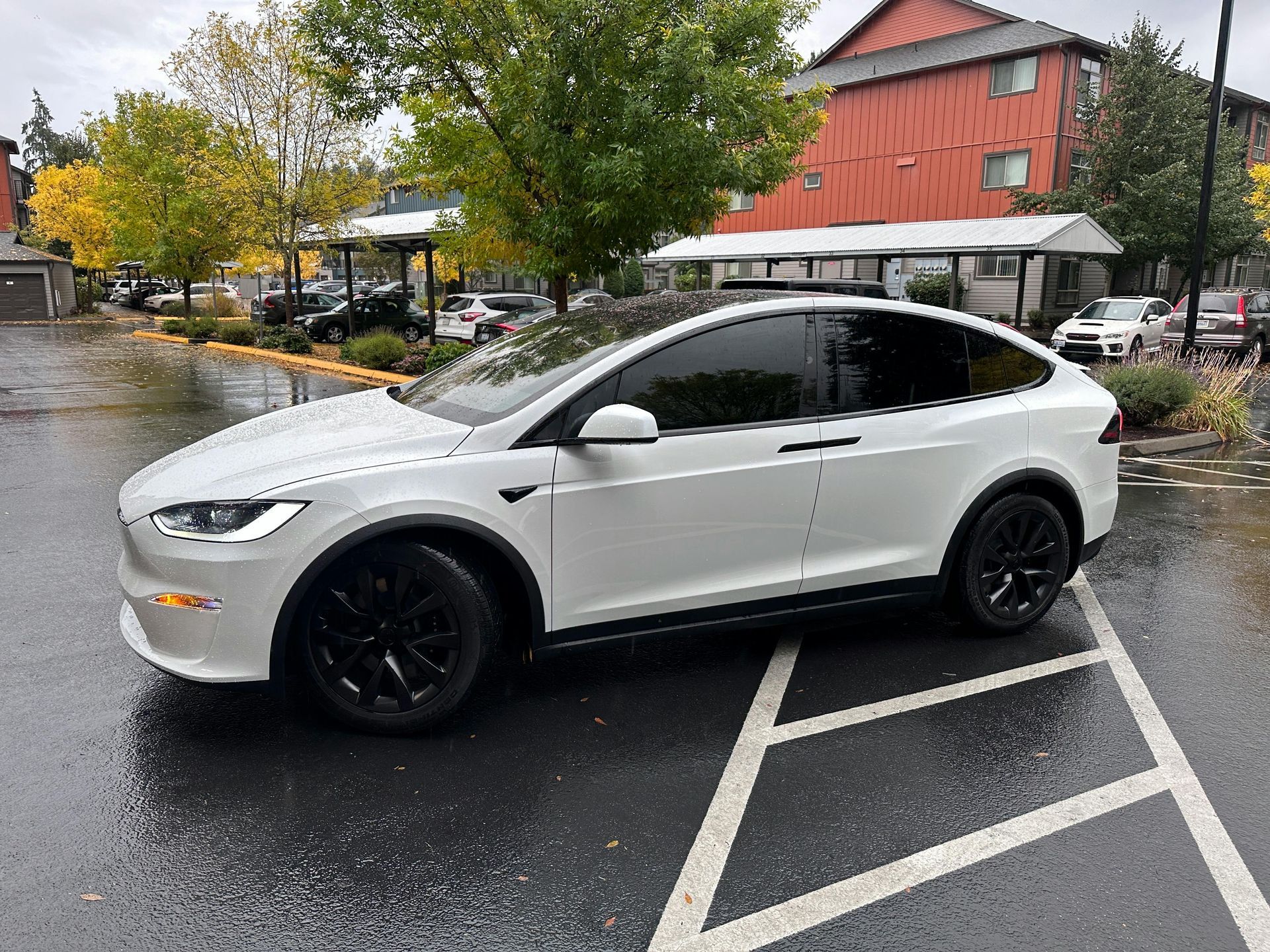
Does a Wrap Protect Paint Like PPF?
A vinyl wrap provides some protection against everyday surface exposure, but it is not designed to absorb rock chips and road debris as effectively as
Paint Protection Film (PPF).
Vinyl wrap is primarily used to change a vehicle's color, finish, or graphics while covering the original paint. PPF is a clear protective film designed specifically to help protect painted surfaces from rock chips, road debris, and other physical impacts. The two materials can overlap in appearance and surface protection, but they serve different primary purposes.
Choosing Between a Wrap and Paint in Egg Harbor Township, NJ
Choosing between a wrap and paint starts with the condition of the existing finish, how long you plan to keep the vehicle, and what you want the new finish to accomplish.
South Shore Detail can inspect the vehicle's existing paint and discuss whether vinyl wrapping or repainting is appropriate for the surface. The shop provides
vinyl wrapping in Egg Harbor Township for vehicles with suitable underlying paint and can explain how paint condition, vehicle use, and ownership plans affect the decision.
“A wrap can make sense when the existing paint is in good condition, and the goal is to change the vehicle's color or finish for several years. Paint may be more appropriate when the vehicle has rust, significant body damage, or peeling clear coat that needs to be repaired rather than covered.”
— South Shore Detail Team
For a vehicle-specific assessment, contact South Shore Detail at 267-876-6160 or visit the shop in Egg Harbor Township, NJ.
Frequently Asked Questions
About the Author
South Shore Detail is a family-owned vehicle appearance and protection shop at 2501 Fernwood Ave in Egg Harbor Township, NJ. With 10+ years of industry experience and 250+ 5-star customer reviews, the team provides vinyl wrapping, CovrGard® paint protection film, window tint, Ceramic Pro ceramic coating, auto detailing, and boat detailing.
Last updated: September 2026