How Long Does A Car Wrap Last?
How long does a car wrap last? A professionally installed car wrap typically lasts
5 to 7 years with proper care, although actual lifespan varies by vehicle and use. This guide explains what affects wrap longevity, which areas wear first, how to extend its service life, and when it's time to remove or replace the vinyl.
Key Takeaways
- A professionally installed vinyl car wrap typically lasts 5 to 7 years with proper care.
- UV exposure can cause fading, gloss loss, discoloration, and brittleness over time.
- Roofs, hoods, and trunk lids often show wear sooner because they receive more direct sunlight.
- Regular hand washing and prompt contaminant removal can help preserve vinyl wrap condition.
- Cracking, fading, brittleness, and repeated edge lifting can indicate that a wrap needs inspection or replacement.
How Many Years Does A Car Wrap Last?
A professionally installed car wrap generally lasts 5 to 7 years, although its actual service life varies from vehicle to vehicle. A wrap does not automatically need to be replaced at a specific age; its condition depends on cumulative exposure, storage, vehicle use, and how well the vinyl has been maintained.
A garage-kept vehicle may retain its color and finish longer than a daily driver parked outdoors. Vehicles regularly exposed to direct sunlight, coastal conditions, winter road salt, and heavy road debris may begin showing visible wear sooner.
What Affects How Long A Car Wrap Lasts?
Installation quality, UV exposure, weather and driving conditions, vehicle storage, and maintenance all affect how long a car wrap remains in good condition.
Installation Quality
Proper installation helps the vinyl remain secure across flat panels, edges, curves, bumpers, mirrors, and recessed areas. The underlying paint must also be thoroughly cleaned and prepared before installation.
Contamination beneath the film, improper surface preparation, or excessive stretching around complex areas can contribute to lifting, shrinking, or premature failure.
Sun And UV Exposure
Continuous UV exposure gradually affects the color, finish, and physical condition of vinyl. Over time, heavily exposed areas may:
- Fade
- Lose gloss
- Discolor
- Dry out
- Become brittle
Horizontal panels typically receive the greatest direct exposure, which is why the hood and roof may begin showing age before less-exposed areas.
Weather And Driving Conditions
Daily driving exposes a wrap to rain, snow, road debris, insects, dirt, temperature changes, and other environmental contaminants.
For vehicles driven throughout Atlantic County, coastal exposure and winter road salt can create additional buildup on wrapped surfaces. Removing these contaminants regularly helps prevent them from remaining on the vinyl for extended periods.
Frequent exposure to road debris can also contribute to visible wear, particularly on areas that receive repeated contact with dirt, grit, and insects.
Vehicle Storage
Where a vehicle spends most of its time affects how much environmental exposure the wrap receives. Garage or covered storage limits prolonged contact with sunlight, precipitation, and airborne contamination.
As a result, a garage-kept weekend vehicle may retain its wrap finish longer than a daily driver that remains outdoors year-round, even when both wraps are the same age.
Maintenance
Regular cleaning helps preserve the wrap by preventing contaminants from sitting on the vinyl for extended periods. Bird droppings, tree sap, bug residue, road salt, and similar buildup should be removed promptly.
Washing technique also matters. Gentle hand washing is preferable to abrasive brushes or aggressive pressure around panel edges, which can place unnecessary stress on the vinyl.
Which Parts Of A Car Wrap Wear Out First?
The roof, hood, trunk lid, and other horizontal surfaces usually show wrap wear sooner because they receive more direct sunlight and environmental exposure.
Vertical surfaces such as doors and quarter panels generally receive less direct overhead UV exposure. Other areas that deserve attention include:
- Mirrors
- Bumpers
- Door handles
- Panel edges
- Tight curves
- Deep recesses
These areas can also be more prone to lifting or installation-related issues because the vinyl must conform to more complex shapes.
A wrap can therefore age unevenly. Visible fading on the roof does not necessarily mean every wrapped panel is deteriorating at the same rate.
How Can You Make A Car Wrap Last Longer?
Proper storage, gentle washing, and quick contaminant removal can help a vinyl wrap remain in good condition throughout its expected lifespan.
To protect a wrapped vehicle:
- Park in a garage or covered area when possible.
- Hand wash the vehicle regularly.
- Remove bird droppings and bug residue promptly.
- Clean road salt from the vehicle during winter.
- Avoid abrasive brushes and harsh cleaning chemicals.
- Avoid directing high-pressure water at wrap edges.
- Address lifting or damaged sections before they worsen.
Matte, satin, gloss, and other specialty finishes may also require different maintenance methods. Cleaning products should be appropriate for the specific wrap finish installed on the vehicle.
Expert Insight
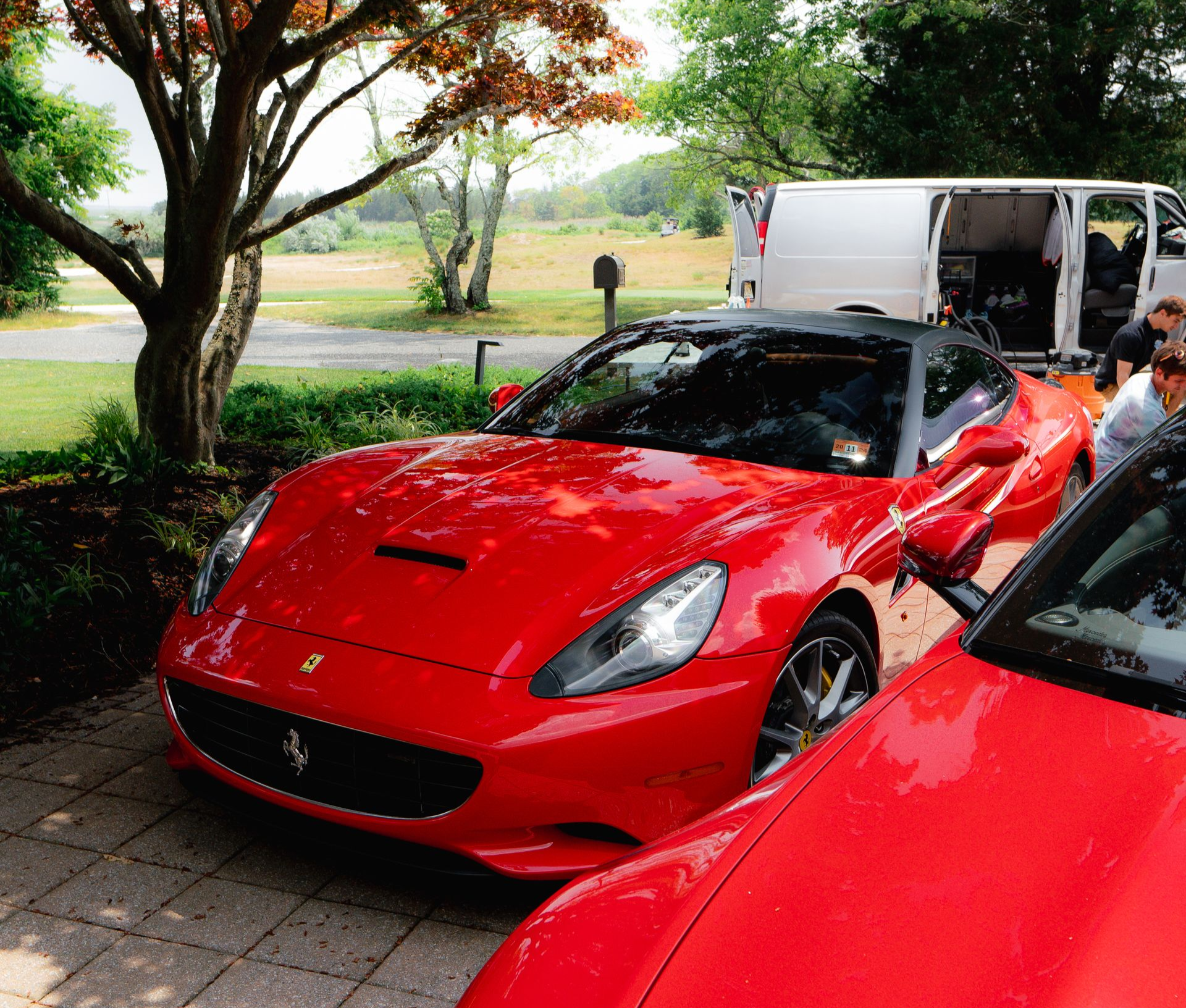
A car wrap rarely wears evenly across the entire vehicle. Horizontal panels such as the hood, roof, and trunk receive more direct UV exposure and often begin fading or drying before doors and other vertical surfaces. This means wrap condition matters more than age alone when deciding whether to repair, remove, or replace the vinyl.
For daily drivers, the most effective way to extend wrap life is to control exposure rather than rely on a single maintenance product. Covered parking, regular hand washing, prompt contaminant removal, and early attention to lifting edges can collectively make a meaningful difference in how well the wrap ages.
- South Shore Detail Team
When Does a Car Wrap Need to Be Removed or Replaced?
A car wrap should be inspected when it develops significant fading, cracking, brittleness, peeling, discoloration, or repeated edge lifting. The extent of the deterioration determines whether the appropriate solution is repair, panel replacement, removal, or full replacement. Common signs of an aging wrap include:
- Noticeable color fading
- Loss of gloss or finish
- Cracking vinyl
- Brittle horizontal panels
- Peeling around edges
- Persistent bubbling
- Permanent staining
- Adhesive deterioration
Not every damaged wrap requires complete replacement. Individual wrapped panels can sometimes be replaced when damage is limited to one area. However, an older wrap may have experienced fading or other environmental changes, which can make a replacement panel look slightly different from the surrounding vinyl. The overall age and condition of the existing wrap should therefore be evaluated before choosing between panel replacement and a full rewrap.
The condition of the vinyl also affects how easily it can be removed. Aging wrap becomes increasingly difficult to remove once it becomes dry and brittle. Instead of lifting in larger flexible sections, heavily deteriorated material may break apart during removal. Removing or replacing the wrap before severe deterioration develops can therefore make the process more manageable.
Considering A Vinyl Wrap In Egg Harbor Township?
South Shore Detail provides professional vinyl wrapping in Egg Harbor Township, NJ, with wrap options for drivers looking to change their vehicle's color, finish, or overall appearance. The team can inspect the vehicle's current paint condition and discuss wrap options, expected maintenance, and whether vinyl wrap, PPF, or another protection service better fits the owner's goals.
For drivers considering a new wrap, understanding the available finishes, maintenance requirements, and condition of the vehicle's paint can help determine the right option for the vehicle.
FAQs
About the Author
South Shore Detail has served drivers throughout Atlantic County for more than 10 years, providing professional vehicle customization services, including vinyl wrapping, along with auto detailing, paint correction, ceramic coating, and Paint Protection Film (PPF). The team uses professional installation and detailing techniques to help vehicle owners improve and maintain their vehicles' appearance.
Last updated: August 2026.